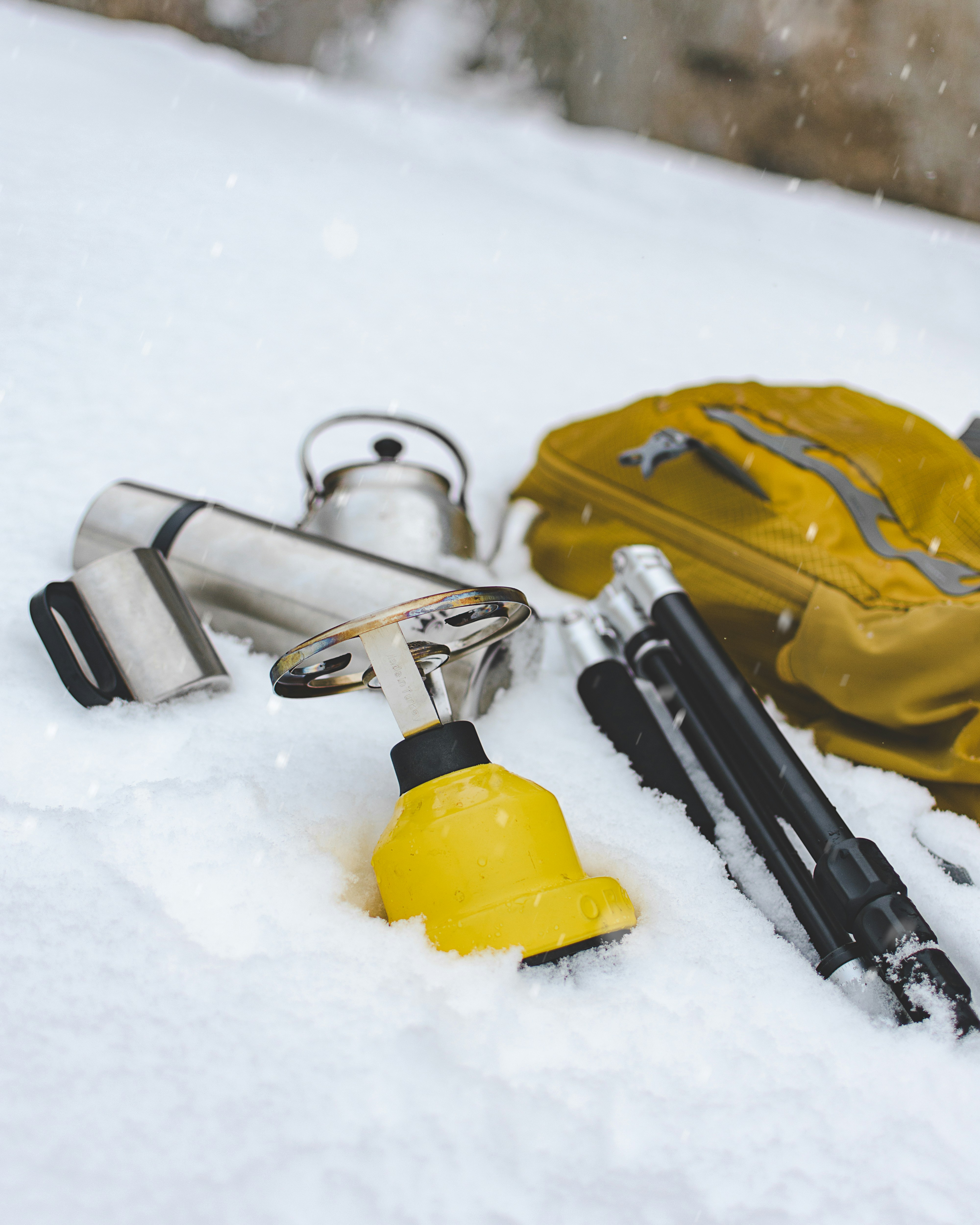
Essential Gear for Winter Camping
Embarking on a winter camping expedition requires specific gear to ensure both comfort and safety in cold conditions. First and foremost, selecting the appropriate tent is crucial. A four-season tent, designed to withstand heavy snow and powerful winds, is essential for winter camping trips. Ensure that the tent is adequately insulated and equipped with snow flaps to manage snow buildup. The size should accommodate not only the occupants but also gear to avoid condensation and cold drafts.
A sleeping bag rated for temperatures well below freezing is also a necessity. Look for bags filled with high-quality down or synthetic insulation, which will provide warmth and retain heat effectively. Additionally, a sleeping pad designed for winter use will help insulate your body from the cold ground. A combination of an air pad and a foam pad can provide excellent insulation and comfort.
Thermal clothing plays a vital role in maintaining body heat. Choose moisture-wicking base layers, insulating mid-layers, and waterproof outer layers for maximum protection against the elements. Combining layers allows for better temperature regulation, thereby enhancing comfort during various activities. Furthermore, do not overlook the importance of quality gloves, hats, and thermal socks, which can significantly reduce heat loss.
Cooking gear must also be tailored for winter use. A reliable stove that operates effectively in low temperatures is essential, along with fuel that can withstand freezing conditions. Opt for lightweight cookware that retains heat well and allows for quick meals. Lastly, safety equipment should not be ignored. Carrying items such as avalanche beacons, probes, shovels, and a comprehensive winter first-aid kit can be lifesaving in emergencies.
To ensure your winter camping gear performs optimally, proper maintenance is key. Keep equipment dry whenever possible and pack it systematically to prevent damage. Adopting these precautions will significantly enhance your experience in the cold and snowy wilderness.
Choosing the Perfect Winter Campsite
Selecting the right campsite during the cold and snowy winter months is essential for both safety and comfort. The first factor to consider is snow depth. A campsite with an adequate depth of snow provides natural insulation, reducing the risk of cold penetration from the ground. However, too much snow can pose challenges, such as increased weight on temporary structures. Thus, evaluating the snow depth in the area is crucial before setting up your camp.
Another vital consideration is wind protection. Strong winds can lead to a significant drop in temperature and can make your camping experience uncomfortable. Look for natural windbreaks such as trees, boulders, or hills that can shield your campsite from harsh winds. If no natural barriers are available, consider building a small wall of snow to create a more sheltered environment.
Proximity to water sources is also an important factor when choosing a winter campsite. While camping, access to water is critical for hydration and cooking. Frozen streams or lakes may offer potential sources, but ensure they are safe to approach. Always check the thickness of the ice and consider if melting snow may be a viable option to obtain liquid water.
Lastly, it is necessary to be aware of potential avalanche zones in your selected area. Consult local maps or experts about avalanche risks, and avoid camping in slopes that have a significant risk of snow slides. Evaluating the landscape with a careful approach can ensure a safe camping experience.
After selecting an appropriate site, preparing it for winter camping includes building a snow shelter or utilizing natural features. A snow cave or a quinzhee can provide excellent protection from the cold. Moreover, using available natural materials can enhance your living space and make your winter camping experience warm and enjoyable.
Winter Camping Activities: Fun in the Frost
Winter camping offers a unique experience that can be enriched with a variety of activities perfect for enjoying the cold and snowy months. One of the most popular activities is snowshoeing. This activity allows campers to traverse snowy trails with ease, providing an opportunity to explore landscapes that are otherwise less accessible during winter. There are various types of snowshoes available, from recreational to more advanced models, making it suitable for beginners as well as seasoned hikers.
Cross-country skiing is another engaging pastime that offers both excitement and exercise. Ideal for those who wish to glide over snowy terrains, it varies from leisurely trails to more challenging routes. Campers can bring their equipment or rent them at local outfitters, ensuring they are well-prepared for their adventure. Embracing nature through these winter activities fosters a deep appreciation for the serene beauty that blanketed forests and open landscapes provide.
Further enhancing the winter camping experience is the simple joy of constructing snowmen or snow sculptures. Not only does this activity bring out creativity, but it also creates opportunities for bonding among campers, especially families. The laughter and camaraderie from these fun-filled tasks create lasting memories, enriching the camping experience as a whole.
As evening falls, gathering around a campfire for storytelling or stargazing becomes a captivating activity. Campfire tales under the glittering night sky bring a nostalgic warmth and a unique connection to nature, while providing an ideal setting for reflection. For enthusiasts of wildlife, winter wildlife watching can be an exhilarating experience; observing animals adapted to the cold can enlighten campers about the resilience of nature.
While embracing these winter activities, it is essential to prioritize safety. Campers should be informed about how to navigate hazardous conditions to ensure a safe and enjoyable experience. Utilizing proper gear, understanding weather patterns, and being aware of local wildlife can greatly enhance the winter camping adventure.
Staying Safe and Warm: Tips for Winter Survival
Winter camping presents unique challenges that necessitate a focus on safety and warmth. Recognizing the signs of hypothermia and frostbite can be critical, as both conditions can develop rapidly in cold environments. Hypothermia can manifest through symptoms such as uncontrollable shivering, slurred speech, and confusion. On the other hand, frostbite is indicated by whiteness or numbness in extremities. It is essential to act promptly if these symptoms are observed by moving the affected individual to a sheltered area and practicing first aid techniques.
Dressing in layers is a key strategy for maintaining warmth while winter camping. A base layer of moisture-wicking fabric, an insulating middle layer, and a waterproof outer shell form a trio that effectively traps heat and protects against wind and moisture. Additionally, ensure that clothing covers all extremities, including gloves, hats, and warm socks. Remember, the goal is to create a microclimate around your body that can withstand the outside chill.
Hydration remains fundamental in cold weather, as the body still loses moisture through respiration. Even when temperatures drop, it is vital to consume water regularly to support overall bodily functions. Consider taking hot beverages in insulated containers for additional warmth. Furthermore, cooking and consuming warm meals can elevate body temperature and improve morale. Prepare simple yet hearty dishes that can be easily made over a camp stove or open flame.
Emergency preparedness is vital when winter camping. It is advisable to develop a comprehensive safety plan, which includes informing others of your itinerary and expected return. Carry essential gear like a first aid kit, extra clothing, emergency blankets, and a reliable communication device. Being prepared for unexpected weather changes, such as snowstorms or temperature drops, can mean the difference between a rejuvenating experience and a hazardous situation.